Blog

  • 14 Best Web Development Frameworks in 2022 (Frontend & Backend)

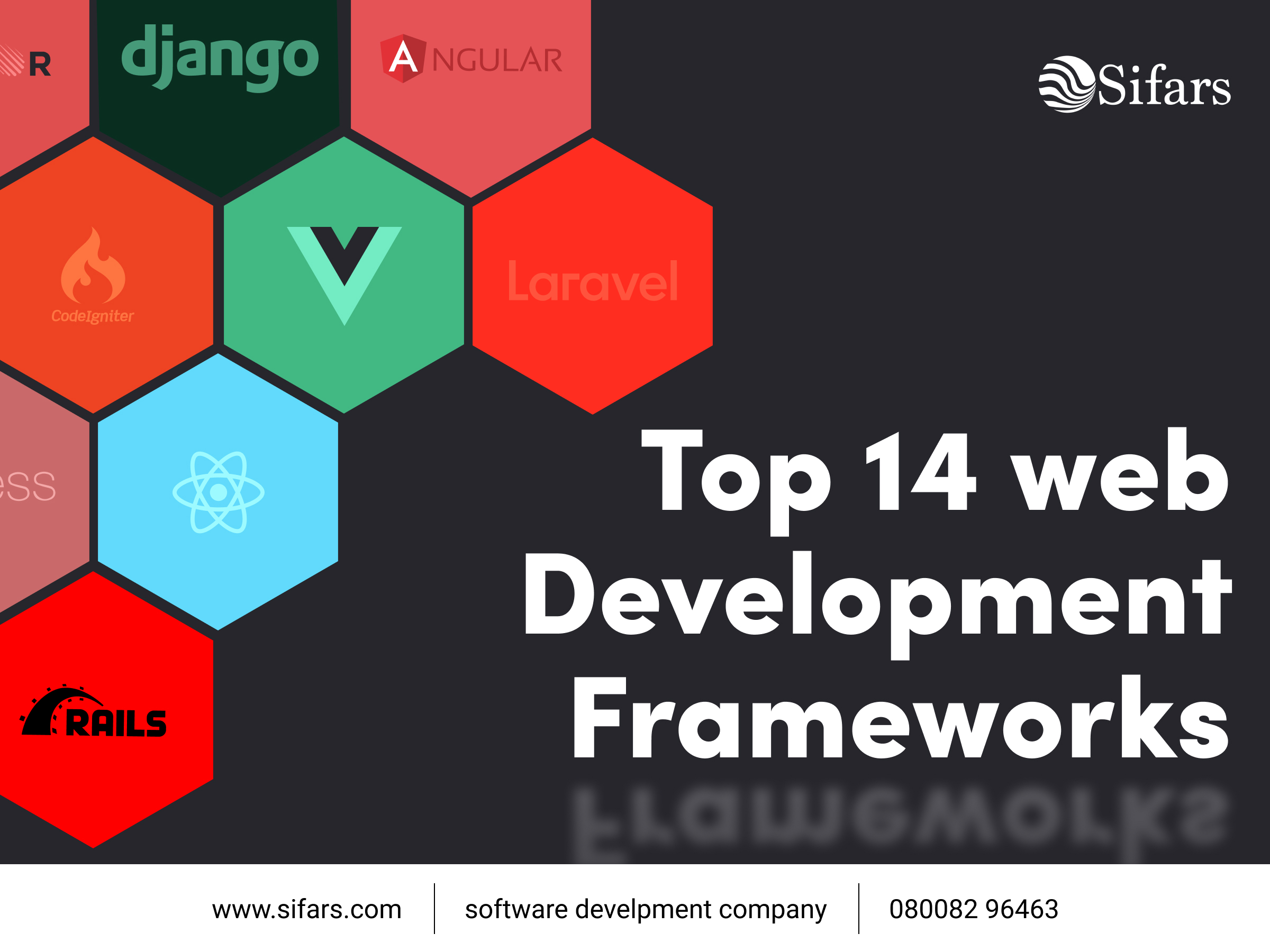
    14 Best Web Development Frameworks in 2022 (Frontend & Backend)

    Reading Time: 5 minutes

    What is a Web Development Framework?

    The web application Framework is a software framework that is applied to support the development of web applications, web services, and web APIs. Let us understand like this- A simple recipe of tea requires water, milk, and tea bags. As you add sugar, cardamom, and ginger to it, its taste just starts developing more richer. You get tea that is better in terms of taste, texture, and aroma which leads to better times with peers.

    Frameworks add taste and texture to your web applications. The type you choose results in the flavor of your application by providing it with diverse functionalities. 

    The frameworks here act as support systems or software frameworks that make your simple web frameworks act smarter and faster. Frameworks help build rich and interactive web applications that comply with modern technological advances. 

    A web app has a backend(server-side) and a Frontend (client-side) face. In the article that follows we have compiled the list of most trending web development frameworks in 2022 that will make your tea better than ever!

    What are Frontend and Backend Frameworks?

    The front end means the face of the web app. It is a platform for developing the style components by constructing files and associating the data with the DOM elements. 

    Backends form the base structure to the web apps. It provides a foundation and works for establishing RESTful Apis to Complete MVC structures. Here mentioned are some of the most trending backend and frontend frameworks in 2022, that work wonders in the web universe. 

    1. Express

    One of the most trending Web development Frameworks, Express works as a catalyst for making smooth and rapid development of Node js-based web applications. Express js is a minimal and flexible framework that helps bring features that adorn the web application to compete with the technological advances. Express has an important place in the MEAN software bundle and has many features that are readily available as plugins. It is very flexible and supports REST APIs for smooth interaction and web experience. 

    • Trusted By- Accenture, IBM, and Uber
    • Language: JavaScript
    • Framework Link: http://expressjs.com/

    2. Django

    Django is an essential framework that promises security features. It has rich techniques and tools that help build a secure website and also implements the security features in the framework itself. One of the examples is by preventing the code execution in the template layer. Django is the beautiful Model-View Template framework that works with Python. It follows patterns like Convention Over Configuration and DRY that bring in customized authentication and message features to the web apps Django is a Model-View-Template framework that uses Python for web development. 

    3. Ruby on rails

    Another trending framework that works on the pattern of Model View Controller is Ruby On Rails. Rails is one of the simplest web development frameworks that are user-friendly for beginners. It offers faster and more efficient web development with library-like dependencies that bring smarter functionalities to the web applications. It is one of the beginner-friendly frameworks that promise efficiency with its many libraries like dependencies that result in adding functionalities to the app.

    4. Laravel

    Laravel promises smooth functionalities and is based on PHP promises its efficiency. It is also a Model-View-Controller framework and works with API support and packages that promise an efficient web app. Laravel was developed in 2011 and since then it works wonders for developing modern web apps. Laravel promises speed, performance, and efficiency with simplicity. Larcasts is a wonderful platform that provides a number of tutorials for you to start and master laravel.

    • Language: PHP
    • Trusted by: Laracasts.com, Alison.com, Barchart.com
    • Framework Link: https://laravel.com/

    5. Spring

    Sring is a mesmerizing framework that also runs on  Model-View-Controller with Java as its base foundation. Spring promises on performance and speed that help scale the business apps. Java undoubtedly gives more power to this framework as a strongly typed language. Spring was developed by Pivotal Software and is used worldwide for developing some powerful web apps. Spring provides its strong base in developing simple, portable, fast, and secure web applications.

    6. CodeIgniter

    CodeIgniter was developed by EllisLab as a web application framework that helps build dynamic websites. Today it has many developers that make the best use of the features of this framework. It is based on MVC architectural pattern but it has only model and view as optional features. CodeIgniter is a lightweight framework that helps make large-scale web apps. Certainly, it works wonderfully by promising speed and performance without carrying the burden of monolithic libraries.

    1. Language: PHP
    2. Framework Link: https://codeigniter.com/
    3. Trusted by –  Bufferapp, The Mail and Guardian

    7. PLAY

    Play is the modern web app framework that works on the principle of excellence with optimization. It iscompilation in Java and scala language. It works by using convention over configuration, hot code reloading, and brings the display of errors in the browser. Play also works on MVC architecture and brings in the best of optimization and productivity. It is also known as “The High-Velocity Web Framework”.

    8. METEOR

    Meteor JS is a framework that helps build simple yet real-time mobile web apps. It helps develop rapid prototyping and produces single code for all. In other words, it facilitates cross-platform development (Web, Android, iOS) with one single code. It complements the web app development with its cloud platform called Galaxy that simplifies deployment, scaling, and monitoring.

    9. ASP.NET

    ASP.NET was developed by Microsoft that is compatible with developing web applications for both Desktop and mobile. It helps build some high-performance web applications that make use of NET and bring some mesmerizing results. It is a lightweight framework that brings Power, productivity, and Speed to the web applications

    10. Angular

    Angular is a mesmerizing frontend framework that helps build some sich Single Page applications. The framework helps add functionalities and face-to-client-side applications. It evolved and uses Typescript which is a superset of javascript. Angular js. was developed by Google hence it delivers performance with efficiency. Most importantly, it is one of the favorite frameworks of developers to build large-scale and high-performance web applications that speak for themselves.

    • Language: JavaScript
    • Trusted by Google, Microsoft, and Paypal
    • Framework Link: https://angular.io/

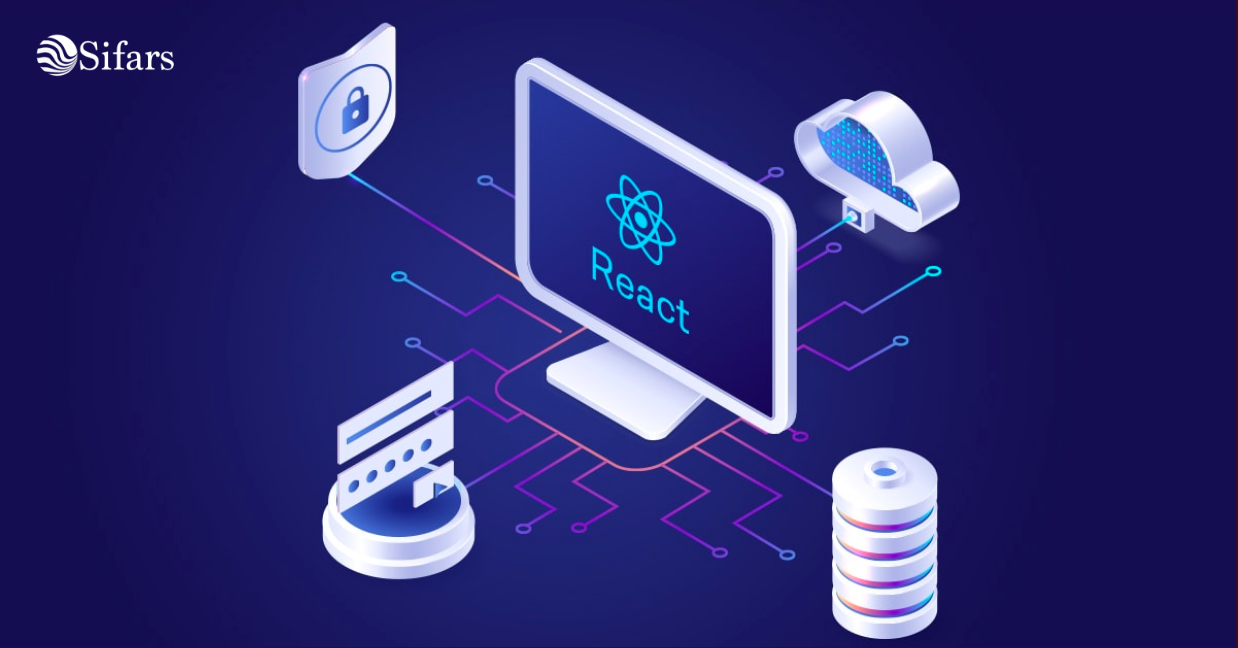
    11. React 

    React is a front-end library used by developers for its unconditional performance and support. Firstly, React js introduced the component-based architecture that was later adopted by many other frameworks. React has multiple features amongst them is React’s virtual dom that makes the dom-manipulation much faster. Also, it has JSX syntax that helps establish links to server-side or client-side.

    • Language: JavaScript
    • Trusted by Google, Facebook and Sifars
    • Framework Link: https://reactjs.org/

    12. Vuejs

    Vuejs is one of the most trending javascript frameworks that is used by many developers for creating some outstanding projects. Vue js is the first progressive framework that promises to deliver exceptional results on existing projects too. Vuejs also comes with the component architecture and Vue ecosystem for building some complete frontend applications. Vue js promises efficiency with simplicity.

    • Language: JavaScript
    •  Trusted by- Behance, Nintendo, Chess,Gitlab.
    • Framework Link: https://vuejs.org/

    13. EMBER

    Ember is one of the best javascript frameworks available. It has since ever been developing enormous features and releases that make it even stronger and more secure. Ember js comes with two-way data binding and many other features and components that make Ember popular. It is also known for its uncompromising efficiency as it eliminates time-wasting activities and continuously adopts some best JS practices in its core design that make a new version of itself. 

    • Language: JavaScript
    • Trusted by : Google, Microsoft, Heroku, and Netflix
    • Framework Link: https://emberjs.com/

    14. Backbone

    Backbone is one of the frontend frameworks that is extremely lightweight and is most suitable for building rich Single Page web apps. It also works on the MV pattern and as such partially takes part in the MVC architectural pattern. Backbone takes its stand on the code dependency known as  Underscore library that works for building a vibrant ecosystem for the web apps.

    • Language: JavaScript
    • Trusted by : Google, Microsoft, Heroku, and Netflix
    • Framework Link: https://backbonejs.org/

    Final Word

    This is the compiled list with the trending Web development Framework in 2022. Certainly, the list is not according to any order and is just a random compilation only. Every framework comes with its own set of PRos and cons that make it favorable for the developers. Though some of the frameworks have some similarities they promise speed and performance for the smooth functioning of the web apps. This list is just a snapshot of some of the frontend and backend frameworks. There are many other Web development frameworks that help build a strong ecosystem of frameworks for developers. Choosing amongst them is a decision that works on the factor of project goals that actually matters in making the web apps.

  • Why Ionic? 5 good reasons to use Ionic in 2022.

    Why Ionic? 5 good reasons to use Ionic in 2022.

    Reading Time: 3 minutes

    Why Ionic? 5 good reasons to use ionic in 2022. -Choosing is difficult. Choosing a gift for someone is more difficult. So what to do when you have to make a choice? You often go with the option that tops the fashion. Looks do matter. 

    Today’s market is already flooded with apps as online shopping is the new trend. Even your smartphone might be having numerous apps that are visually attractive and have made you a shopping addict as you lay on the cozy couch.

    This on-the-go fashion of buying, ordering food, bookings, and payments have brought a revolution in the mobile phone app industry.

    You have a brand or a coaching institute or a restaurant owner, You might not have a physical address, but you ought to have a mobile app that helps you reach a global audience.

    Now that you choose to have an app, what framework should you use for your app?

    A little time before, only native apps had an edge. But today we all have witnessed the need and fashion of hybrid apps that are made with IONIC. Ionic has changed the paradigm of app development.

    Ionic framework gels up quite well with the programming languages like CSS, HTML5, and Javascript. The beautiful combination works out to bring on apps that are not only visually appealing but also serve as hosts of the best user interface. Ionic is known for its multi-purpose application in various apps that gives it superiority over others. 

    Still, finding out why Ionic? Here are the top 5 reasons that justify enough to choose Ionic for building your next mobile app.

    5 Reasons to Choose IONIC

    Open-source framework

    Ionic as a framework is one of the most stable frameworks that have a strong base. It is an open-source framework that won’t charge you hefty sums while promising reliability and speed.

    It simulates a native app and offers a mesmerizing visual experience. The apps give an uncompromising feel to apps that make them subtle yet classy.

    Supports your Success

    After your app is built and appreciated, You may want to spread your success across platforms. Your audience might be waiting for you on Android, iOS, Windows Phone, or other operating systems. This is where ionic supports you. iPhone App Development Companies help you spread across platforms and glide smoothly over various operating systems.

    Backed by Angular

    Angular is a worthy framework for making mobile and web apps that speak for themselves. Ionic makes use of Angular js for providing the application structure. It leverages the syntax extending the HTML to include the components of data binding. Similarly, the Javascript-based Angular js framework ensures High performance with reliability.

    The Canvas of the user interface

    The ionic platform works out as a canvas that depicts the creativity of the developer. You can adorn your app with different buttons, menus, color schemes, etc for the end result to be visually appealing. Ionic stands stronger as it has a strong foundation of CSS and javascript features included in Angular. Apps made with ionic exhibit some best examples of creativity with great UI.

    Ionic uses Cordova Plugins

    Apps are trending in as they support your choices. You often use a Camera, Battery and Geolocation, and many other features that are a part of your optimal working app. 

    All the above features are a part of the Cordova PLugins that facilitate and adorn your app bringing in more promising and efficient results. Cordova plugins attach the piece of javascript coding with your apps that allows you to do multiple things.

    Testing and Debugging

    Ionic helps you with mobile app testing across platforms. Testing is made easier on a desktop browser and works well for both iOS and Android apps using Cordova commands. At the same time, it helps in remote debugging to avoid any issues. The apps also can be tested directly to know the real picture as to how the app would perform.

    Conclusion

    Still looking for some reasons to try out working with this framework. Don’t stress over it. We already said, making choice is difficult. But if you have the best option in front that supports you with the best of customization while being backed with a hybrid of three strong languages. You must not overthink. The above-mentioned are the 5 good reasons to use ionic in 2022. Bring on your idea with our Ionic developers to make it a web reality. Sifars has a strong team that can make you experience the best ever mobile app development experience. Let us connect.

  • What is Digital Transformation in 2021? Necessity or Disruption?

    What is Digital Transformation in 2021? Necessity or Disruption?

    Reading Time: 3 minutes

    Digital transformation is an integral way of pervasively bringing change in the organizational departments that entails delivering value to its end-users or customers. It is a continuous process that involves adaptability, execution, experiment, evaluation, and control. 

    Let us understand it better.

    Understand it as a change in the school wing as the students enter the secondary classes. Gradually, all the students move on to new uniforms, rules, and norms to which comes a handful of complementary responsibilities. Some students understand the change, some students find the new change very welcoming, and are excited about the new everyday challenges. On the other hand, some students actually find it difficult to cope up with the new curriculum, timings, and responsibilities of being part of the senior wing.

    Similarly, the process of digital transformation works out in an organization. Some departments find themselves in continuous challenges, facing the status quo and addressing the new version of themselves. While some departments find the new change, automation, and digitalization thrilling and appealing. Digital transformation involves understanding the new change, getting accustomed and comfortable with the failures that may come while pervasively accepting the changes. 

    Digital transformation in 2021

    Covid pandemic 2021 gave us the biggest example as to what digital transformation meant to organizations. Institutions, departments, and companies took a new path that involved technology and process transformation. New business models with new modes of working became the new normal. Revenue streams after struggling a lot with customer expectations and product changes were able to pave out the way for themselves.

    This new thinking brought in new processes that concluded the new change. Traditional ways got transformed into digital products. Mobile apps and eCommerce platforms saw the best of their time with an unexpected boom. New software and technology acquaintances presented new product-based models that created value. Rapid application development brought in new ways of working and new business models.

    Embarking the transformation in 2021

    # Understanding the customer needs and aligning them with goals

    What is the basic step for any organization to succeed? Understanding the needs of the customers and aligning the organization models to achieve customer models. All the businesses strive to bring about the best strategy, marketing plan to achieve the business outcome. The principle behind this is to understand the customer’s logic and behavior while evaluating the need of the customer and then transforming the organization to achieve results.

    # IT as a model creator

    Digital transformation means adopting the new technology, inculcating it among the entire organization, and evaluating the results. The IT department that was once called in for fixing the wires and windows for the team has now transformed into an integral part of the organization. They are the model creators, understanding the need, the demand technology, and the desired outcome.

    # Responding to the customer expectations

    IT has shown its importance to everyone, from a small boutique shop to a startup and large organization. Businesses redesigned their ways of operation, followed new practices, and responded to customer expectations to bring in results. This involved using cloud software and artificial intelligence in everyday business functions. 

    # Getting acquainted with Digital

    Software, apps, and technologies seem to touch our lives very deeply. Every action of yours is an aftereffect of digital transformation only. Cloud software, remote working, DevOps, CI/CD, and other modern technologies are the need of the hour. Organizations are trying to implement the same in the system to bring about a change. The staff and the customers need to get acquainted with the apps and technology.

    Why Digital Transformation?

    If everything is going on perfectly fine why do we need this? Let’s dive in deep.

    • * If I can draw the design with my hand using my stationery, why do I need software?
    • * My team can sign on the register for marking their presence. Why should I opt for finger sensors?
    • * I am happy with the traditional shop? Why do I need to reach the people on screens to show my products?

    Certainly, pandemic 2020-2021 gave the perfect answer to the above questions. With complete lockdown and a standstill worldwide only the ones that were on the path of digital transformation or the ones that adapted the technology could survive.

    1. * Softwares could show better options.
    2. * Remote working changed the scenario with virtual meetings.
    3. * Reels and eCommerce platforms ruled the market.

    Conclusion

    We need to cope up with the change. Change brings in diverse results. You may fail sometimes, but one must stand up learning from the mistakes. As we always say, Let’s make an automated web world. Sifars strives to bring in Digital Transformation. Let us all shine and rise. Let us bring in change by adopting the new technology trends and methods. 

  • 5 Best Examples Of Apps Made With Python

    5 Best Examples Of Apps Made With Python

    Reading Time: 4 minutes

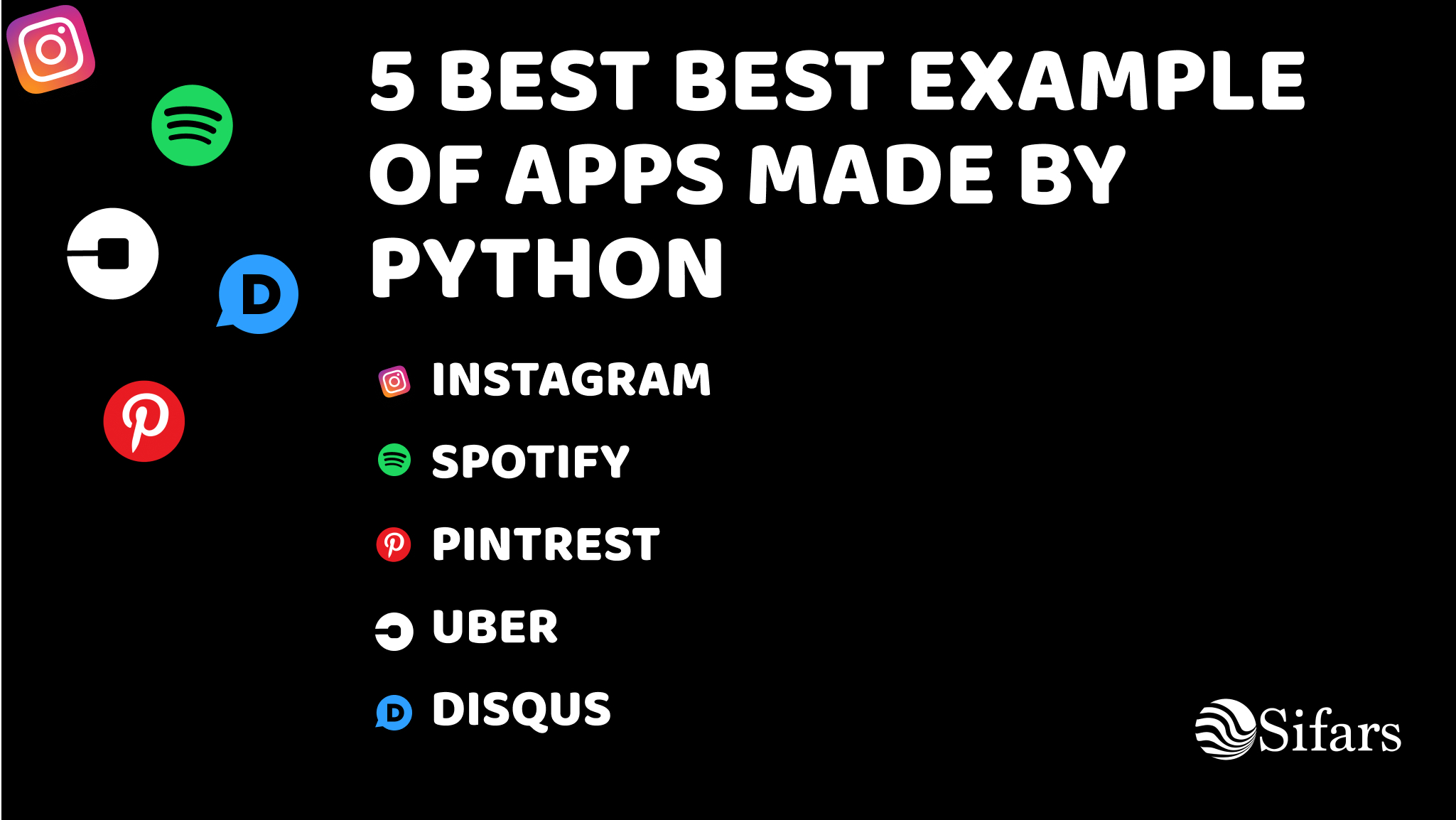
    Websites and Web Apps are the new trending sensation in the web universe. Brands have gradually shifted to apps with smooth functioning and clean design. Amongst the many programming languages available to choose from, Python has been able to prove its importance with its rich functionality. Python with its plethora of libraries helps in fast work processes that accompany designs that are unique and mesmerizing. Further, it is an open-source language and is backed by many developers. Many web apps are ruling the internet that is made from Python and Django frameworks. The top 5 examples of Apps made with python are as under.

    5 Best examples of Apps made with Python

    Instagram

    Instagram is an app that was primarily made to instantly click and share pictures. It made use of a camera and filters that actually helped take quality pictures as well as a high-definition quality camera. Instagram now has about 450 million active users per day that are constantly engaged in the app features. Further python displayed its scalability with its new reels feature. The reels features came as a more accessible feature thus connecting millions of users. It further opened the doors of creativity and people used it as a marketing strategy for promoting their brands. Python offers a clean design, rich functionality, user-friendly interface that makes the apps made on it so popular.

    Pinterest

    Social media networks brought a revolution as Facebook and Twitter entered the market. Soon Pinterest captured the attention as one of the most preferred platforms for images and ideas. People got a platform for bookmarking images and thereafter sharing them. Pinterest leverages the best of capabilities of python and Django and exhibits the most smooth functioning web app with a large amount of content at disposal. It also has more than 300 million active users that rely on the app for sharing and bookmarking their images.

    Disqus

    Well, we all have questions and we look for the solutions until we get the perfect satisfying answers. Some problems are subjective and hence involve discussions and opinions. Disqus applied the same formula and was able to capture a huge audience. Disqus as we all know is a commenting app that invites users that effectively engages the audience. It is a beautiful app that fuels the discussion with a clean interface and has approx 75 million monthly active users. It has rich features such as multiple sign-in options and cross-site notifications that explicitly exhibit the properties of Django.


    Spotify

    Music connects the soul and the world. Spotify grabbed the opportunity to use Python as a programming language to stream music all over the world. With zero loading time and advanced data analytics in different languages, Spotify grabbed a large market share. Today it is the world’s largest streaming service with approx 300 million active users. Spotify runs smoothly and has a huge database that helps people to discover music globally.

    Uber

    A pioneer Ride-hailing and food delivery partner that also offers many other services like bike and bicycle sharing. It operates globally and offers smooth services from booking to collections of fares as per its rules. Uber operates in around 10000 cities globally and works efficiently which is possible only with the help of Python. Python with its numerous libraries and scalability has helped Uber to handle all the calculations and cover almost all the major cities globally. Python can easily manage the large database of data and that too with very little code work involved. Moreover, it offers reliability and security that made UBER the most widely used app with more than 75 million active uber riders globally.

    The portfolio speaks for itself

    Well, such a strong portfolio doesn’t require any further words to describe how powerful Python is. Python in its initial launch days was only used by startups as it was quite simple and cheap. Gradually as it displayed some uncomparable features, Python became a hot trend and many companies made the best use of it to get their presence shadowed across the world. Python surely is known as the king of all the programming languages and is currently the most preferred career choice among developers. Have any idea? Discuss it with the leading Python Development company and get your brand to rule the search engines space.


  • 7 Best Examples of Web Apps (PWA)

    7 Best Examples of Web Apps (PWA)

    Reading Time: 5 minutes

    In the ever-evolving technological world, pandemic 2020 saw a thrive in internet traffic routing towards mobile. People were more inclined to shopping, counseling, and education digitally. Only the ones who had their established presence on the web were able to handle the quakes of the pandemic. Some adapted themselves to the flow while not compromising with the performance. Companies and brands gradually shifted to a new era of development called the Progressive Web Apps. The PWA’s are the advanced versions of the websites that perform with apps, like functionalities, with easy navigation and user experience.

    Why Progressive Web Apps ?

    A responsive web app clubbed with efficient functionalities for a rich user experience as an outcome is called Progressive web app. These PWA’s use HTML, CSS, and Javascript as a foundation to mesmerize their users with their lightweight and high speed.

    A simple explanation of PWA

    PWA’s are the mirror images of the websites that behave and appear as its lighter and faster version coupled with loads of features like Push notifications, Blue tooth connectivity, a Camera, and the list goes on.

    Why Progressive Web Apps in 2021?

    In the technological universe, Progressive web apps are a synonym for Performance. An app that needs to qualify as a Progressive web app must comply with frontend performance standards. Its basic capabilities include the following MAGIC

    Mobile friendly
    And Seo indexed
    GPS enabled
    Installable
    Connectivity for Offline mode

    Fact Check

    A PWA opened in any other browser, with a desktop shortcut acts like a web app on the desktop.

    7 Best examples of Web Apps (PWA) in 2021

    1.    Spotify

    Spotify emerged, as an industry music experience changer with its mesmerizing features. Spotify had a native app that was recently advanced and introduced to the world with a PWA version. PWA delivered faster results with interactive Ui that charmed its users. Also, Spotify offered a plethora of features in its free version that was capsulated to attract the users to update to the premium version.

    Goals achieved with PWA

    • Increase in its Monthly users up to 130%
    • More traction time
    • Increase in average listening hours.

    2. Pinterest

    Pinterest is the 6th most popular social networking site with 67 million users from India. Pinterest adopted the PWA for grabbing the international market and casting its shadow among the active users for new ideas and interests. Pinterest achieved its objective with improved performance, and user experience thereby, registering 176 million users to its platform

    Goals achieved with PWA

    • Increase in user interaction
    • Traction time on the website increased up to 30 %
    • An upward trend in user engagements and revenue to 40%

    3. Trivago

    Trivago, with its 120+ million active users for searching and comparing hotel prices, proved that a Progressive web app could bring good traffic and user engagement. Push notifications, offline functionality with add to home screen function helped Trivago deliver a perfect PWA with increased user interaction.

    Goals achieved with PWA

    • Increase in User Clicks to conversion up to 90 %
    • Increase in User engagement
    • 120% more traffic to offer pages

    4.  Twitter Lite

    Twitter introduced Twitter lite as a progressive web app that introduced some amazing features. The faster performance with higher user engagement ensured more user interaction and an increase in ad clickthroughs. There was an increase in user tweets that made them achieve their goal of attracting people with more engagement.

    Goals achieved with PWA

    • Increase in tweets through PWA up to 70 %
    • Decrease in Bounce rate
    • Increase in user engagement and traction

    5. ALIBABA

    Alibaba, with its Progressive web app, brought traditional sourcing online. The app focused on user-friendly functionalities and attractive web design, that specialized in e-commerce, retail, Internet, and technology. The PWA helped the traffic to significantly rise with an increase in user traction time on the web app. Also, there was an explosion in the conversion rate with attractive user design and fast functionality of the app.

    Goals achieved with PWA

    • Explosion in their conversion rate up to 80%
    • The increase in the number of active users by 30%.
    • The traction rate rose to 70%

    6. Flipkart

    Indian market saw a surge in online shopping with the pandemic. Online shopping websites like Flipkart, with its Progressive web app, made the user interaction process go smooth. Flipkart – the biggest Indian e-commerce store, promises rich user engagement and conversion. The PWA promises a great user experience with its high performance in low connectivity and offline modes too.

    Goals achieved with PWA

    • Increase in conversion rate to 60 %
    • Increase in time spent on the website
    • A rise in Re-engaging customers.

    7. OLX

    OLX is the fastest-growing network of trading platforms globally that applied PWA. Soon it became the World’s biggest free online classified for people to buy or sell an item from the array of products & services. Olx embraces the most amazing features of PWA’s that include add to the home screen, push notifications, offline mode, and background sync.

    Goals achieved with PWA

    • Increase in the User engagement to 200%
    • A growth in click-through rate to 150%
    • Decrease in bounce rate to 80 %

    And The List Goes On…

    PWA’s have proven their worth as they promise results that can be measured in significant numbers. The fast functionality with an increase in click-through rate is the main factor that makes PWA trending in 2021. The above-mentioned incomprehensive list of  7 Best examples of web apps (PWA) in 2021, is a list with the organizations achieving their growth objectives. Still, there is a huge list of PWA’s that have been ruling the market, for example, Facebook, Nasa, Instagram Lite, Uber, Forbes, Book My Show, BMW, Telegram, The Weather Channel, Google Maps …

    Do mention your favorite PWA in the comments below that has charmed you with its user functionality. We will surely add them in our next edit.

    How To Build Your Own Progressive Web App?

    Well, by now, you may be wondering if your eCommerce site needs to be transformed into a Progressive Web App. The potential capabilities and functionalities are worth emphasizing the fact that PWA’s are trending in 2021. It has touched all the major industries from small startups to e-commerce sites and everything that comes in between.

    If you have a business idea or want to transform the existing website or an advanced version, Sifars can surely help you achieve your goals. Looking for a quote or a rough estimate for the same, click here.

  • Angular Js and its Super Features

    Angular Js and its Super Features

    Reading Time: 5 minutes

    In the era of digital transformation, we all need to cope up with the change. The pandemic 2021 has proved to us that this change is necessary and inevitable too.

    We need to be habitual and adapt to using the Internet for almost everything. We need to establish a powerful and convincing web presence. This goal can be achieved by having your own web application or website. 

    What can we do from a website? Is it shopping, education, socializing, or attending professional webinars?

    Well, we are glad to say the answer is: All of the above!

    To achieve the virtual face of your shop/ business venture or a professional career, one needs a powerful backup framework. This is where a majority of web developers prefer to use Angular js for making mesmerizing web apps or providing great website experiences.

    Angular as a framework was introduced by Team Google in the year 2009. Thereafter with advancements, we have been witnessing various versions of Angular, each one of them having its own set of rich features.


    What is AngularJs and what are some of its features?

    What is Angular js - Sifars.com

    Angular is an open-source front-end network with a plethora of smart and latest features. It has a large fan base and the ardent web developers leverage its best functionalities to the maximum. Angular as a package module offers high-end animations, complex choreographic UI, and error-free coding with minimal coding.

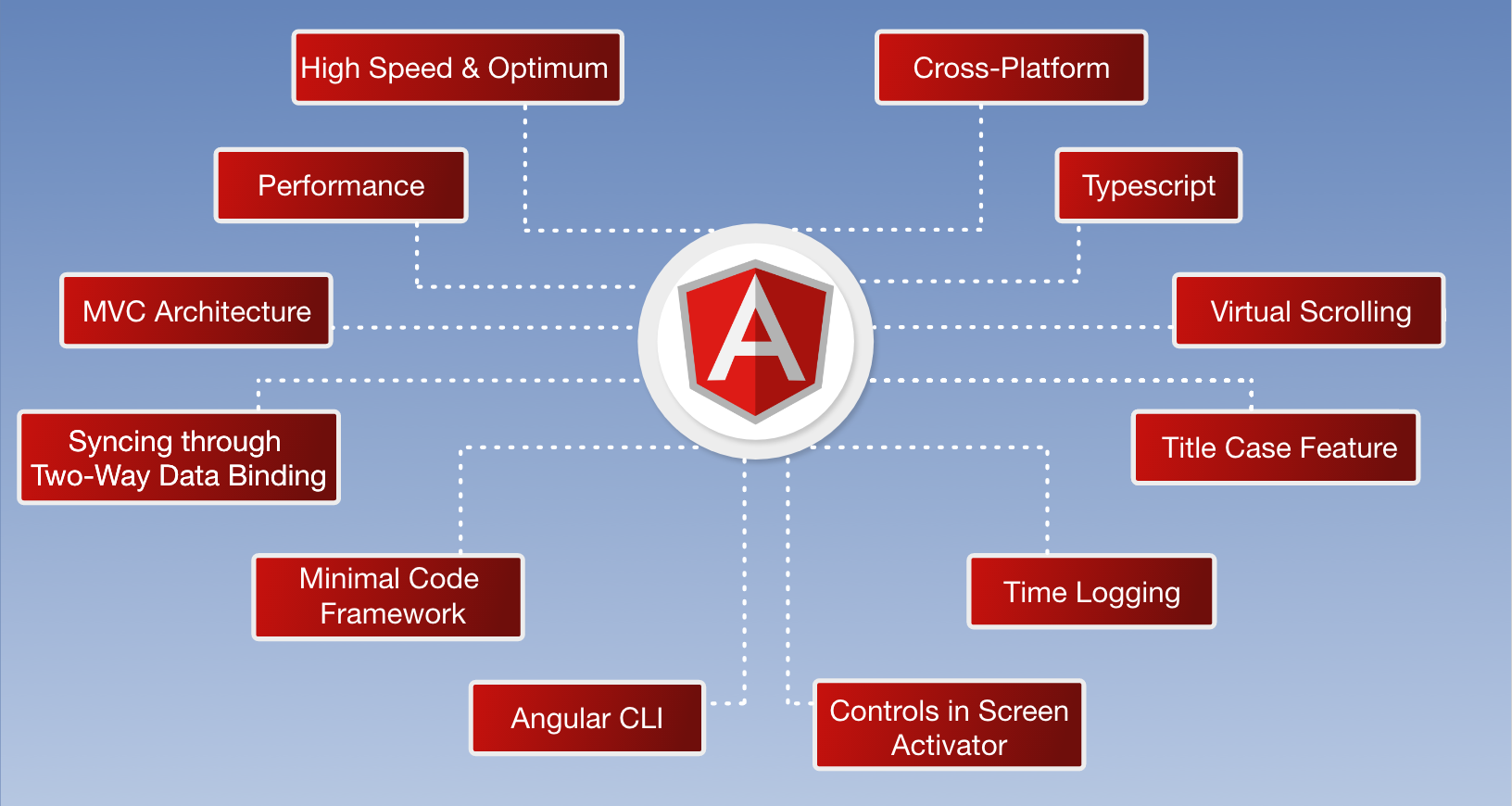
    Here are the top features that make Angular stand out-


    1. Cross-Platform

    Flexibility and Dynamism is the name of the game. Angular provides you the liberty to develop some amazing function-rich PWA or Progressive Web Applications. PWA as the name depicts provides an app-like experience and is packed with all the latest modern web capabilities. In the nutshell, it is cross-platform in nature as it deploys an app from the desktop and at the same time ships your app to the App store. Angular as an amazing Front end framework has never failed to impress its users.


    1. High Speed & Optimum Performance

    The Angular framework provides the liberty to its followers for rendering the code into HTML & CSS and access to the first view of the Application on other platforms like Node JS, .NET, PHP, etc. Angular has user interface frameworks that enable high speed and optimum performance.

    Coming to another feature that makes it exceptional is its Loading time. Angular promises zero loading time and live up to it too. It efficiently splits the code automatically as per the user’s requirements.

    1. MVC Architecture

      Angular explained By Sifars, Angular development company

    Angular as a Foundation for its users offers MVC Architecture. MVC stands for Model-View-Controller. As the terms are self-explanatory, the application data is managed by Model and View manages the display function. The controller plays the role of intermediary amongst View and Model. Angular helps save a good chunk of loading time by splitting the application into MVC.


    1. Syncing through Two-Way Data Binding

    Two-way data binding implies that any changes in the model will automatically be addressed by the view Layer. The view layer plays a smart role by staying in sync with the Model. It perfectly displays the efficiency with two-way data binding efficiency.


    1. Minimal Code Framework

    Angular is one of the most efficient frameworks that has proved its importance and preference over others through its- Less coding Feature. It doesn’t require a separate coding structure or snippets for linking the MVC layers.


    1. Typescript

      Typescript And Angular js by Sifars

    Typescript is a better version of javascript offering a seamless and efficient user experience.

    It is preferred by developers as it has plenty of features to offer the world. Typescript makes it quite easy to populate the root file configuration automatically. Further, it has improved Interface, generics, access modifiers for developers to exhibit their creativity on a platform.


    1. Virtual Scrolling

    Angular provides a virtual scrolling feature that helps the code to scroll various events. It seamlessly provides an efficient way for the simulation of items. Moreover, it supplements the loading and unloading of Visible DOM elements.


    1. Title Case Feature

    Amongst many features of Angular, the Pipe title  Case Feature helped change the First letter of each word in the sentence to Uppercase.

    <div>

    <h2>{{ ‘Angular 4 version is my favourite’ | titlecase }}</h2>

    </div>

    The above line of code generates the following output – Angular 4 Version Is My Favourite.


    1. Time Logging through Diary.js

    Logging in time and tracking thereafter helps bring about efficiency. Angular provided the Feature of diary.js that helped to log time and tracking thereafter. It helps developers to take a closer look into the time actually utilized.


    1. Controls in Screen Activator

    Angular enables the web developers to make the best use of Flexibility and enables Control. a dedicated set of commands help in maintaining control over the navigation. Here are a few examples of the commands or Callbacks

    •       canActivate    : to  allow or prevent navigation to the new control
    •       activate           : to allow successful navigation
    •       canDeactivate : to prevent or allow navigation away from the old controller
    •       deactivate       : to respond to successful navigation away from the old controller.

    1. Angular CLI (Command Line Interface)

    Angular has made its distinct position as a front-end framework as it offers strikingly the best features like SCSS support. It is also known as routing.  Packed with the best of features Angular, offers like ng-new or ng-add build-in features that provide ease and flow of operations. The basic Command Line Interface that rules the Angular module is

    •       ng New         : It helps create a new workplace and also used as a primary initial for all Angular apps
    •       ng Generate : As the name suggests ng Generate helps create services, routes, pipes and components                                                        and simple Test shells too.
    •       ng Server     : ng Server helps Testing the Angular App more readily on a local server.
    •       ng Test         : This command helps with making a cleaner version of code through end-to-end testing.
    •       Ng lint         : ng lint enables analyzing the code for all the errors and report them for efficiency.

    1. Directives

    Angular gives the freedom of creativity and uniqueness to developer’s work with Directives. Directives enable the developers to create custom HTML Tags and exploit them further to have access to behavior-driven elements. The easy manipulation of Dom attributes can be smoothly handled by Directives.


    1. Component Development Kit( CDK )

    Angular has never failed to amaze its developers with its amazing new set of features. The new upgrade has a Component Development Kit (CDK). It is CDK that makes Virtual scrolling and Refreshing go smoothly in Angular. Further, it also helps in Loading and Unloading the DOM that facilitates High performance.


    1. Drag Drop Module

    Angular helps to easily import the Scrolling Module or DragDrop Module. It helps In free Dragging, access to previews and placeholders. Another best feature it offers is the move item in Array and transfer array Item that make it create high-performance data lists.

    moveItemInArray- is used for reordering the list

    transferArrayItem- is used for transferring items between the lists

    Conclusion

    Angular is a super framework that has beautiful features to exhibit its importance. It provides zero loading time with promising efficiency. Forbes, BMW Find a Dealer, BMW Driveaway Price Calculator, and many other big Giants have their web presence in Angular js framework only. Angular is easy, efficient, and provides low code features. So if in doubt, choose Angular. 

    Sifars, a leading Angular Development Company, with its creative and experienced team, strives to provide its clients a modern, user-friendly website with its expertise. Further, we ensure the website to be robust, agile, and scalable to cater to a larger audience.


  • Best way to handle background processes in linux

    Best way to handle background processes in linux

    Reading Time: < 1 minute

    Every programmer soon comes to a point where he requires to setup several jobs to run in the background with 100% uptime. For example a website server, email server, job schedulers etc.

    These processes are more like a daemon process. And as like any other job, these tend to stop due to mishandling or uncatchable exceptions/errors. Rather to put a person to sit and constantly monitor the jobs, we make use of the Supervisor.

    A Supervisor is a process control system that will start, stop and monitor all our processes and will restart any, that fails.

    To install Supervisor on Ubuntu:

    sudo apt-get install supervisor

    Configuring Supervisor

    Let say we have a command that should run indefinitely:

    python run_this_command

    Supervisor configuration files are stored in the /etc/supervisor/conf.d directory. Let’s create a new configuration file as monitor-my-process.conf.

    Inside monitor-my-process.conf write:

    [program:my-worker]
    process_name=%(program_name)s_%(process_num)02d
    command=python run_this_command
    autostart=true
    autorestart=true
    user=linux_user
    numprocs=8
    redirect_stderr=true
    stdout_logfile=/home/linux_user/app.com/worker.log

    In this example, the numprocs directive will instruct Supervisor to run 8 processes of my command and monitor all of them, automatically restarting them if they fail. Also change the ‘linux_user’ to the user you want the process to be run as.

    Starting Supervisor

    Once the configuration file has been created, you may update the Supervisor configuration and start the processes using the following commands:

    sudo supervisorctl reread
    sudo supervisorctl update
    sudo supervisorctl start my-worker:*

    Cheers! Your processes will run indefinitely with auto restart.

    Bonus!

    Few more commands that are likely to be used sometime later:

    Stop all supervisor workers:

    sudo supervisorctl stop my-worker:*

    Restart all supervisor workers:

    sudo supervisorctl restart my-worker:*

    Get the current status of workers:

    sudo supervisorctl status my-worker:*

  • Vuejs: Constants from back end API

    Vuejs: Constants from back end API

    Reading Time: 2 minutes

    Hardcoded values make a developer’s job hectic if these are repeated at several places in the codebase. That is why constants are an indispensable part of an application. It’s easy and intuitive to keep your application constants in a separate file and import them in other files to use.

    Vue Js Constants
    import constants from 'path_to_file/constants.js'


    But what when your constants reside on the backend and you need to get them by making an ajax request to the server. how would you make sure that these constants are available before any of your components get rendered? Should we write the received constants object into a file and then export it. It doesn’t sound like a real solution. Of course, it is not.

    Object Prototype

    So let’s approach it with a real-world solution. First, we need to understand function constructor and its prototype. In javascript, each object created using a function constructor has access to its prototype.

    /** 
     * A function to create other objects. We captialize its name to distinguish 
     * it from other normal functions.
     */
    function Person(firstname) {
      this.firstname = firstname;
    }
    
    
    // Add a property to its prototype
    Person.prototype.printFirstName = function() {
      console.log(this.firstname);
    }
    
    // Create two different objects using the function as constructor
    let person1 = new Person('Munish')
    let person2 = new Person('John')
    

    Since person1 and person2 are created using a function constructor so it has access to the printFirstName method.

    person1.printFirstName()   // Munish
    person2.printFirstName() // John
    

    Vue Instance Prototype

    We will use the same concept by fetching our constants object from backend and then putting it into Vue prototype. So that each component in our application has access to this property.

    axios.get('http://SERVER_ADDRESS/getConstants')
    .then(function(res) {
    
      Vue.prototype.$constants = res.body.data;
      // Initialize the main instance once you receive the constants from backend
      new Vue({
        el: '#app'
      })
    
    });
    

    Now you can access this constant object in any of your Vue components using the following syntax

    this.$constants.someConstant
    

    Note:

    Make sure your getConstants API doesn’t do any heavy lifting other than returning your constants. Because the front end application will not get bootstrapped until it responds back.