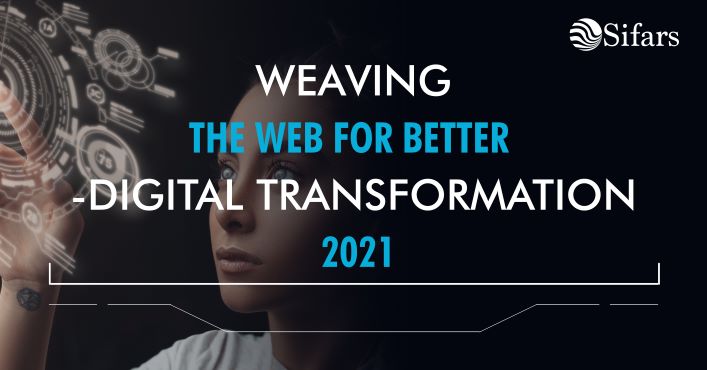
Digital transformation is the process of integrating digital technologies into every area of a business to improve operations, efficiency, and customer experience. It is not a one-time change but a continuous journey that involves adaptation, experimentation, evaluation, and improvement.
Organizations adopt digital transformation to deliver better value to customers and stay competitive in a rapidly evolving digital economy.
To understand this concept more clearly, imagine students moving from junior classes to senior classes in school. As students progress, they adopt new rules, responsibilities, and expectations. Some students welcome the change, while others take time to adapt.
A similar transformation happens inside organizations. Some departments adapt quickly to new technologies and automation, while others find it challenging. However, successful companies understand that adapting to change is essential for long-term growth.
Many organizations rely on custom web application development services to build digital platforms that support modern workflows and improve operational efficiency.
Digital Transformation in 2021
The COVID-19 pandemic became one of the biggest catalysts for digital transformation across the world. Businesses, institutions, and organizations had to rapidly shift toward digital technologies to survive.
New working models such as remote work, online collaboration, and digital platforms became the new normal. Companies adopted innovative business models and digital tools to meet changing customer expectations.
Traditional business methods evolved into digital products and services. Mobile apps, cloud platforms, and eCommerce websites experienced massive growth during this period.
Many companies accelerated their transformation by working with a web application development company in USA to create scalable platforms that support online operations and digital customer experiences.
Rapid application development and modern technologies opened new opportunities for innovation and growth.
Embarking on Digital Transformation
Organizations that want to succeed in the digital age must follow a structured approach to transformation.
Understanding Customer Needs
The first step toward successful digital transformation is understanding customer behavior and expectations.
Businesses must analyze how customers interact with products, services, and digital platforms. Based on these insights, companies can align their strategies, processes, and technologies with customer needs.
Customer-centric transformation allows businesses to create better digital experiences and deliver higher value.
IT as a Model Creator
Earlier, IT departments were mainly responsible for managing infrastructure and fixing technical issues.
Today, IT has become a strategic driver of innovation.
Technology teams now help organizations design new business models, implement automation, and develop scalable digital platforms. They play a critical role in aligning technology solutions with business objectives.
Organizations often partner with a custom software development company to build tailored systems that support digital transformation initiatives.
Responding to Customer Expectations
Modern customers expect faster, smarter, and more personalized services.
To meet these expectations, businesses are redesigning their operational models and adopting advanced technologies such as:
- Cloud computing
- Artificial intelligence
- Data analytics
- Automation tools
These technologies enable companies to deliver seamless experiences and improve efficiency across departments.
For example, businesses increasingly invest in enterprise software development services to automate workflows, manage data effectively, and scale operations.
Getting Acquainted with Digital Technologies
Today, digital technology touches almost every aspect of daily life. Cloud platforms, remote collaboration tools, mobile applications, and DevOps practices have become essential for modern organizations.
Companies must train employees and customers to adapt to these digital systems. Successful transformation requires both technological adoption and cultural change within the organization.
Why Digital Transformation Matters
Many businesses initially question the need for digital transformation.
For example:
- If designs can be drawn manually, why use design software?
- If employees can sign attendance registers, why use biometric systems?
- If traditional stores work well, why invest in online platforms?
The pandemic provided a clear answer to these questions.
Organizations that embraced digital technologies were able to continue operating even during global disruptions.
Digital transformation enabled:
- Remote work and virtual collaboration
- Online commerce and digital marketing
- Cloud-based business operations
- Digital communication with customers
Businesses that adopted digital tools were better equipped to adapt and survive.
Conclusion
Digital transformation is no longer optional. It has become a necessity for businesses that want to remain competitive in the modern economy.
Organizations must embrace change, experiment with new technologies, and continuously improve their digital capabilities.
Although transformation can be challenging, companies that adapt successfully gain significant advantages in efficiency, innovation, and customer engagement.
At Sifars, we help businesses implement modern technology solutions that support digital transformation and long-term growth.
If you are planning to modernize your operations, explore how our custom web application development services and enterprise software development services can help your organization build scalable digital systems.
Leave a Reply